Pinjore Gardens Yadavindra Gardens A Mughal Paradise in Haryana
Furthermore, the management has developed an eco-friendly environment, upholding the garden's natural aesthetics and promoting sustainable tourism practices. Created in the 17th century during the reign of Aurangzeb, the garden's layout follows the traditional pattern of Mughal architecture. The Yadavindra Garden is a major lure for tourists during Baisakhi festival and The Mango festival. The Garden consists of Mughal style and is located in Nalagarh, 15 Kms from Baddi. The garden is specially decorated with lights and illuminations for this event. It is a 2 day spring season festival of Vaisakhi held in April every year with regional food, traditional handlooms and handicrafts on offer.

It is called the “Shish Mahal” (palace of glass), which is adjoined by a romantic "Hawa Mahal" (airy Palace). The monsoon season (July to September) brings rain and humidity, so it is better to avoid visiting during these months. While Yadavindra Gardens, Pinjore is the primary attraction in the area, there are several other places of interest nearby that tourists can explore.

Ana Clarks Inn Panchkula
After he established his kingdom in India, Babur created many gardens. Though Babur held Samarkand briefly, its garden and the concept of charbagh (a quadrilateral garden layout based on the four gardens of Paradise mentioned in the Koran) made a profound impression on him. They were renamed as the Yadavindra Gardens after Yadavindra Singh, the Maharaja of Patiala who ruled from 1938 to 1974 and who restored the garden to its former glory. My first visit to a Mughal garden was many decades ago. The main entrance opening into the first of seven terraces has been decorated in Rajasthani- Mughal Style, the first terrace is given the name of Shish Mahal- the palace of glass and lies adjacent to Hawa Mahal- the palace of air.
The Pinjore Heritage Festival
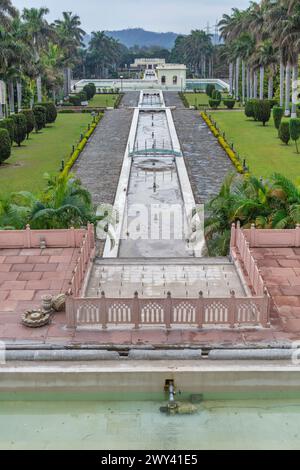
Pinjore Garden is open to visitors throughout the year, offering a unique experience in every season. Today, Pinjore Garden stands as a symbol of India’s rich cultural heritage and a testament to the timeless beauty of Mughal architecture. The sound of water cascading through the channels adds to the tranquility and charm of the garden. The garden’s water features are fed by natural springs and are meticulously maintained to ensure a continuous flow. Water plays a central role in the design of Pinjore Garden, with numerous fountains and water channels enhancing its aesthetic appeal.
- The most significant chapter in Pinjore’s history began in the 17th century when the Mughal Empire, under the reign of Aurangzeb, recognized the town’s potential for creating a magnificent garden.
- Once you reach the garden, you can explore it at your own pace and convenience, as there is no fixed itinerary or guide.
- Additional charges may apply for special events or exhibitions held within the garden premises.
- Located near Chandigarh on the foothills of the Shivaliks, Pinjore Gardens, also known as Yadavindra Gardens, is one of North India’s most beautiful 17th-century Mughal gardens.
Yadavindra Garden
- Designed with the amalgamation of Persian, Turkish, and Indian architecture, the garden is spread over 100 acres.
- The gardens have been renamed Yadavindra Garden as a tribute to the Maharaja and his devotion to the place.
- Pinjore Garden also features a dedicated herbal garden, showcasing a variety of medicinal plants and herbs.
- During the festival, the garden is decorated and illuminated with lights.
- It was built on the springs of Panchpura, known as the town of the Pandavas.
- In December, it hosts the Pinjore heritage festival.
Pinjore Garden built on the style of Shalimar Bagh, Srinagar, the garden has been laid in seven terraces, with the main gate of the garden opening into the highest first terrace, which has a palace built in Rajasthani–Mughal style. The gardens cover a vast area of about 100 acres and are beautifully designed in the Mughal style of landscaping, featuring a combination of terraced lawns, fountains, and pathways. At the heart of the Pinjore Gardens lie the central waterway highlighted by beautiful fountains Yadavindra Gardens and lined with trees, offering a regal ambience that transports visitors through time. Over the years, it has attracted countless visitors with its tiered gardens, captivating water features, and the grandeur of the Shish Mahal and Hawa Mahal located within its precincts.
Rang Mahal
The ambient and sumptuous eateries located outside the gardens and the hawkers moving all around the place will make sure you never go hungry while embarking on your journey past the walls of the world we feel privileged is a part of ours. Early mornings or late afternoons are perfect for avoiding crowds and enjoying the gardens peacefully. Entry charges for the Pinjore Garden Water Park are separate, so if you plan to visit the water park, you will need to purchase an additional ticket. The entry charges for Pinjore Garden are minimal, making it a pocket-friendly destination for all visitors. It dates back to the 17th century and offers visitors a glimpse into the grandeur of Mughal-era horticulture.
What to expect when visiting the Pinjore Garden?
The garden is surrounded by lush green hills, forests, and fields that provide a contrast to the urban landscape of Chandigarh. These legends reflect the diverse and rich cultural heritage of Pinjore Gardens. Another legend says that the garden was created by Raja Bhoj, a legendary king of ancient India. Pinjore Gardens is not only a historical monument, but also a cultural treasure.