The psychology behind risk-taking in casino gambling
The Allure of Risk in Gambling
Casino gambling captivates many individuals due to its inherent risks and the thrill they bring. The psychological lure of risking money for potential reward can trigger various emotional responses, including excitement and anticipation. This desire often stems from the brain’s reward system, which is activated by the possibility of winning, releasing dopamine that heightens the experience. Interestingly, those looking for thrilling experiences sometimes turn to online gambling real money options, highlighting the unpredictable nature that adds excitement and draws players in.
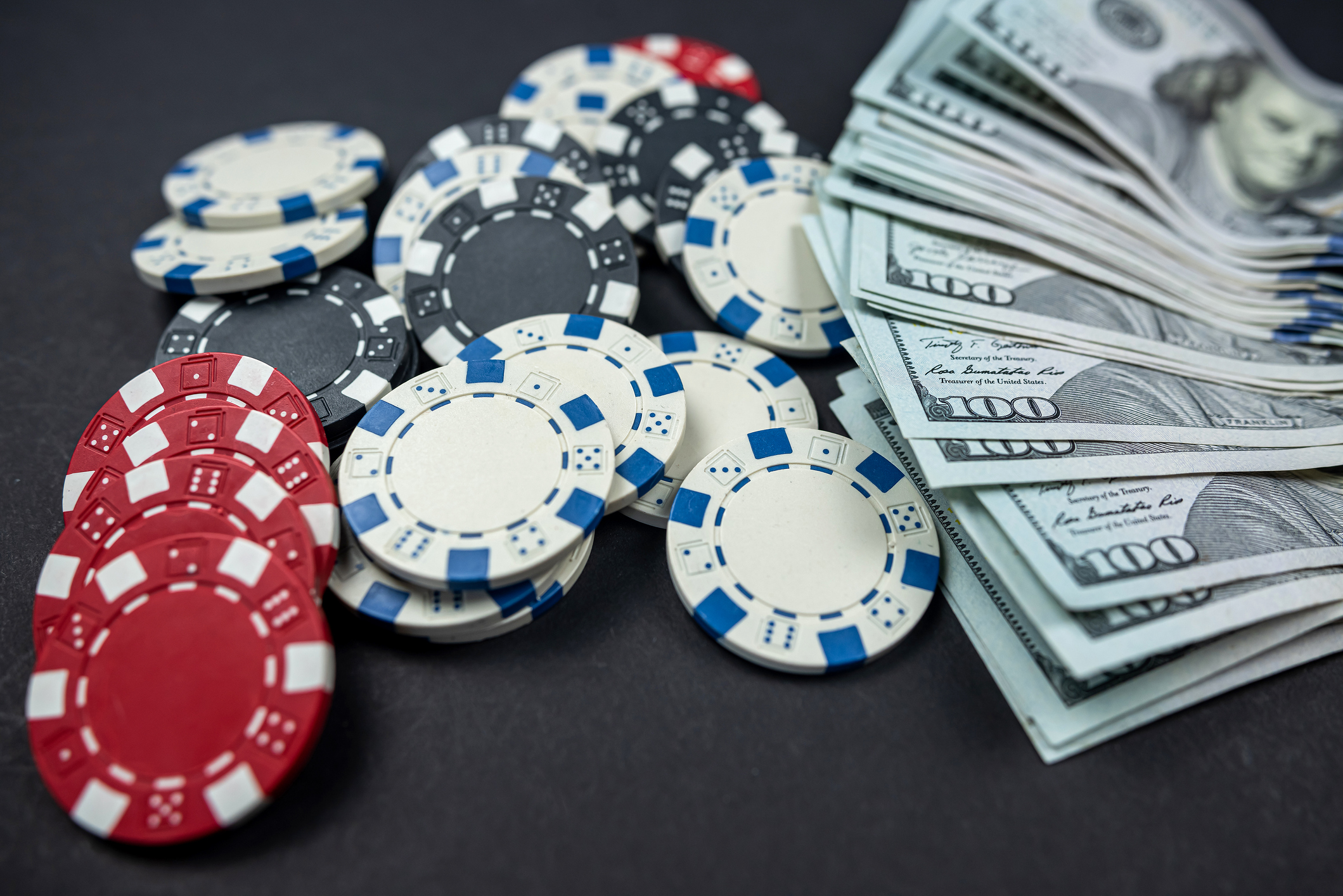
This allure is not only about financial gain; it’s also tied to the adrenaline rush associated with taking risks. The uncertainty of each spin, roll, or deal compels players to engage in behaviors that they might not typically entertain in everyday life. This unique blend of risk and reward plays a crucial role in the psychology of gambling, pushing individuals to seek out new experiences that challenge their boundaries.
Cognitive Biases in Gambling Decisions
Cognitive biases significantly influence gambling behavior, often leading players to make irrational decisions. One prevalent bias is the “gambler’s fallacy,” where individuals believe that past outcomes affect future results, even in random games. For example, a player might think that a particular slot machine is “due” for a win after a series of losses, prompting them to continue playing despite the odds remaining unchanged.
Another cognitive bias is overconfidence, where players overestimate their chances of winning based on personal experience or anecdotal evidence. This overconfidence can lead to increased risk-taking, as individuals feel a false sense of security in their gambling strategies. Understanding these cognitive biases can help illuminate why individuals engage in risky behaviors in casinos, despite the statistical realities of their choices.
Emotional Factors in Risk-Taking
Emotions play a critical role in shaping gambling behaviors. Players often seek out gambling as a form of escapism, using it to cope with stress, anxiety, or boredom. The emotional highs experienced during wins can reinforce gambling behavior, making it difficult for individuals to resist the urge to return to the casino, even after experiencing losses.
Furthermore, the social environment of casinos can amplify emotional responses. The thrill of a crowded gaming floor, the cheers of fellow players, and the overall vibrant atmosphere create a powerful incentive to take risks. This social aspect can diminish the perception of risk, making players more inclined to engage in gambling activities that they might otherwise avoid in a more subdued setting.
The Role of Skill vs. Chance in Gambling
Many gamblers believe that skill can influence outcomes, particularly in games like poker or blackjack. This perception can lead players to take more risks, as they feel empowered by their ability to make strategic decisions. However, it’s essential to recognize that even in skill-based games, chance plays a significant role, often overshadowing individual skill.
The tension between skill and chance further complicates the psychology of risk-taking in gambling. While skill may enhance the player’s experience, the underlying randomness of outcomes can foster a sense of unpredictability that feeds into the thrill of the game. This blend of skill and luck creates a unique environment where risk-taking becomes both a strategic and emotional decision.

About This Website
This website provides valuable insights into various psychological and strategic aspects of casino gambling, helping readers understand the complexities behind risk-taking behaviors. By exploring the interplay between psychology and gambling, the site aims to enhance awareness among players about their decisions and behaviors in the casino environment.
Through informative articles and analyses, this platform serves as a resource for both casual players and those interested in the deeper psychological elements at play in gambling. Understanding these dynamics can empower individuals to make more informed choices, leading to a healthier relationship with gambling activities.